

As the new year gets underway, many Americans are looking for information about a rumored $2,000 IRS direct deposit payment slated for January 2026. Social media posts, community boards, and some unofficial websites are circulating information about eligibility, timing, and the way payments would possibly arrive — but the fact is extra nuanced. It’s important to recognize what’s showed, what’s proposed, and what remains speculative as of early 2026.
Is There an Official $2,000 Payment?
At present, legit IRS bulletins confirming this specific $2,000 direct deposit are limited. Some latest on line articles declare that a $2,000 relief payment may be allotted by using the IRS beginning in early January 2026, with direct deposits rolling out in waves over the month. These claims outline eligibility based totally on earnings, filing popularity, and different criteria.
However, traditional IRS stimulus programs — such as the Recovery Rebate Credits tied to pandemic payments — haven’t included a blanket $2,000 check since the COVID-19 relief era. Fact-check reporting from reputable news outlets has repeatedly noted that no new federal stimulus payments have been officially authorized by Congress or confirmed by the IRS outside of specific credits or corrections to past payments.
What Online Sources Say About Eligibility
According to several unofficial, widely shared posts:
- The payment would be one-time and aimed at helping households cover rising living costs.
- Eligibility criteria could include income thresholds tied to adjusted gross income (AGI). Some reports hyperlink complete qualification to AGI under $90,000 for individuals and $180,000 for joint filers, though the IRS has now not posted those figures as authentic policy.
- Recipients have to have filed a latest federal tax go back (e.g., 2024 or 2025), or non-filers could need to offer records through an IRS portal to establish eligibility.
- Valid Social Security Numbers (SSNs) and updated direct deposit records on record are crucial for the payment to land in a bank account.
These unofficial sources also note that dependents, people with income exceeding IRS thresholds, and those without a valid tax filing history might be excluded.
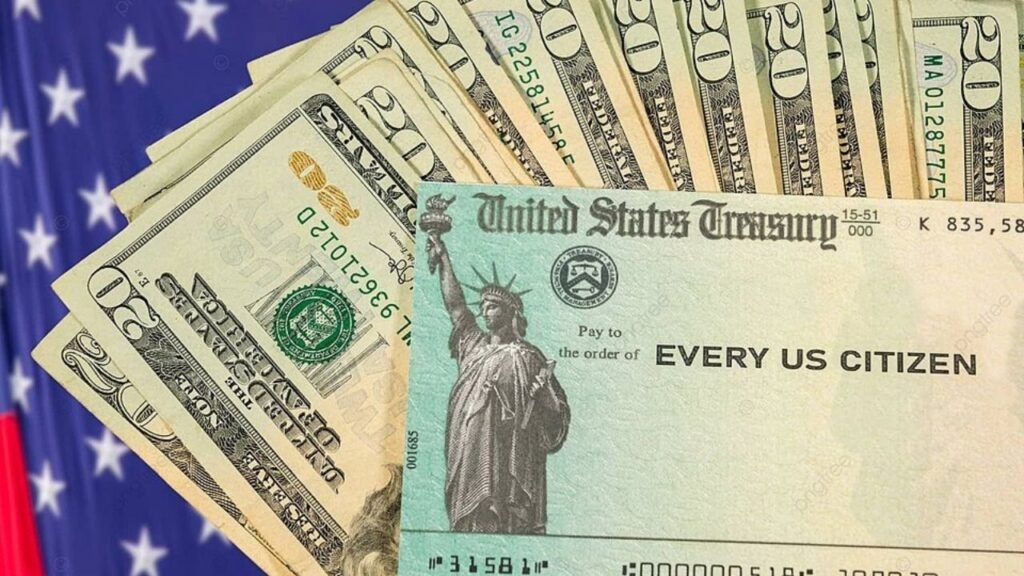
Direct Deposit vs. Other Delivery Methods
If the IRS does proceed with this payment:
- Direct deposit will be the fastest and maximum stable technique, the use of bank details from current tax returns.
- Taxpayers without modern bank information may also receive paper checks or pay as you go debit playing cards.
- Payments can be launched in batches as opposed to unexpectedly, meaning some taxpayers may see finances in advance or later in January.
Where Confusion Comes From
A major source of confusion is the blending of proposals with official actions. For example:
- Proposals tied to tariff dividends or similar programs floating $2,000 figures are being discussed, especially in political contexts, but they require Congressional approval to become law.
- Rumors about routine IRS stimulus checks keep resurfacing, even though most credible reporting confirms no new universal payments are scheduled without legislative backing.
How to Verify Your Status
To see if ANY IRS payment is legitimately scheduled for you:
- Check your IRS Online Account for notices about pending refunds or payments.
- Use the IRS’s Get My Payment tool if it’s active for this purpose.
- Watch for official IRS mail — the agency typically sends letters confirming payments.
Avoid clicking on unsolicited emails or texts claiming you must pay fees or submit sensitive data, as these are common IRS scams.
Conclusion: Be Informed — Not Misled
While numerous online sources present distinctive eligibility criteria for a $2,000 IRS direct deposit in January 2026, many elements of these claims stay unverified through authentic IRS or Congressional announcements. It’s viable that government are making ready focused relief payments tied to recent tax filings or particular credit, but broad, computerized $2,000 payments for all eligible Americans require formal legislative action.
Taxpayers ought to live alert to updates from IRS.gov or relied on information shops, preserve correct tax statistics, and ensure their banking records is current with the IRS to maximize their chances of receiving valid payments. Above all, watch out for scams — best official IRS channels can confirm actual direct deposit notices.
